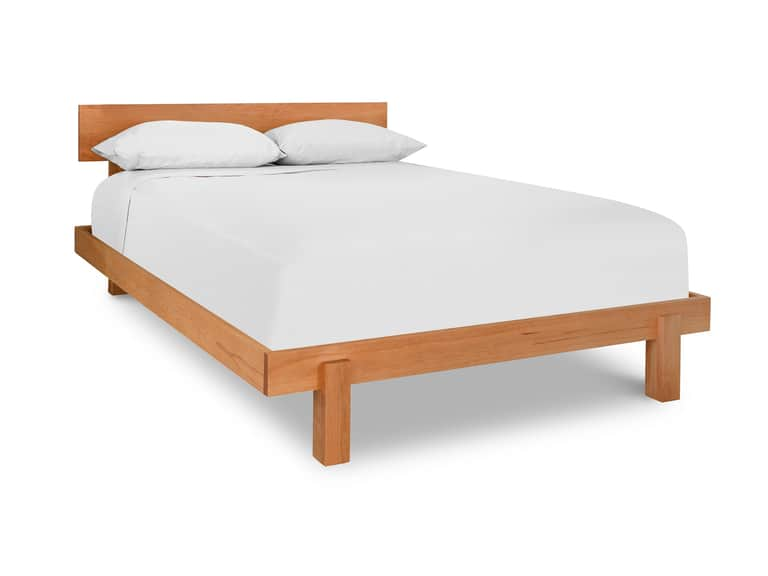
Platform bed frames are a modern foundation for sleep setups, emphasizing clean lines, low-profile silhouettes, and sturdy support. These frames typically feature solid slat systems or platform surfaces that minimize the need for box springs while delivering consistent weight distribution. Understanding materials, ventilation, and assembly considerations helps optimize sleep ergonomics and room aesthetics.
In this category, platform bed frames balance durability with minimalism, making them well-suited for contemporary bedrooms. Common materials include engineered wood, solid wood, and metal components, each offering varying load capacity and longevity. Users should assess headboard compatibility, under-bed clearance, and edge-to-edge stability to ensure long-term comfort and alignment with bedding needs.
Notable models include the Cherry Moon Pagoda Bed, which integrates tiered design elements and a solid framework to reduce motion transfer and support a restful night. The Kipling Bed showcases a streamlined profile with reinforced rails and easy maintenance surfaces, providing dependable support for memory foam pillows and latex bedding setups.
Key features to consider are slat spacing, center supports, and finish durability, all of which influence air circulation, mattress compatibility, and ease of cleaning. Platform frames often accommodate a variety of mattress types, from memory foam to latex, and can be paired with coordinated bedding like comforters and decorative pillows for a cohesive bedroom environment.
Understanding how platform bed frames interact with sleeping surfaces and accessories helps clarify their role in holistic sleep systems. This category highlights structural integrity, ease of assembly, and compatibility with common bedding items such as memory foam pillows and latex pillows, ensuring informed decisions about durable, comfortable sleep foundations.
 Furniture