Pillow guide Travel comfort
Packing Light: What Makes a Better Travel Rest Setup
A good travel pillow is a small negotiation with the laws of transit: how to bring enough support for rest without carrying an object that seems to require its own seat. Shape, filling, cover, and care all matter. So does the less glamorous question of whether the thing will fit in your bag.
Published October 22, 2026
Travel has a particular talent for making ordinary comforts feel consequential. A pillow that is perfectly unobtrusive at home becomes a problem when it must pass through a station, beneath an airplane seat, or into a hotel room whose idea of softness differs from yours. The object itself may be modest. Its assignment is not: help the body settle while the world continues to move.
The best travel rest setup is rarely the one with the most equipment. It is the one that answers a few practical questions before departure. Where will you try to rest? What kind of support does that position require? Can the pillow be compressed, carried, cleaned, and used again without turning into a new source of inconvenience? A considered answer can make a long journey less punishing, even if it cannot persuade an aircraft seat to become a bed.
Start with the journey, not the pillow
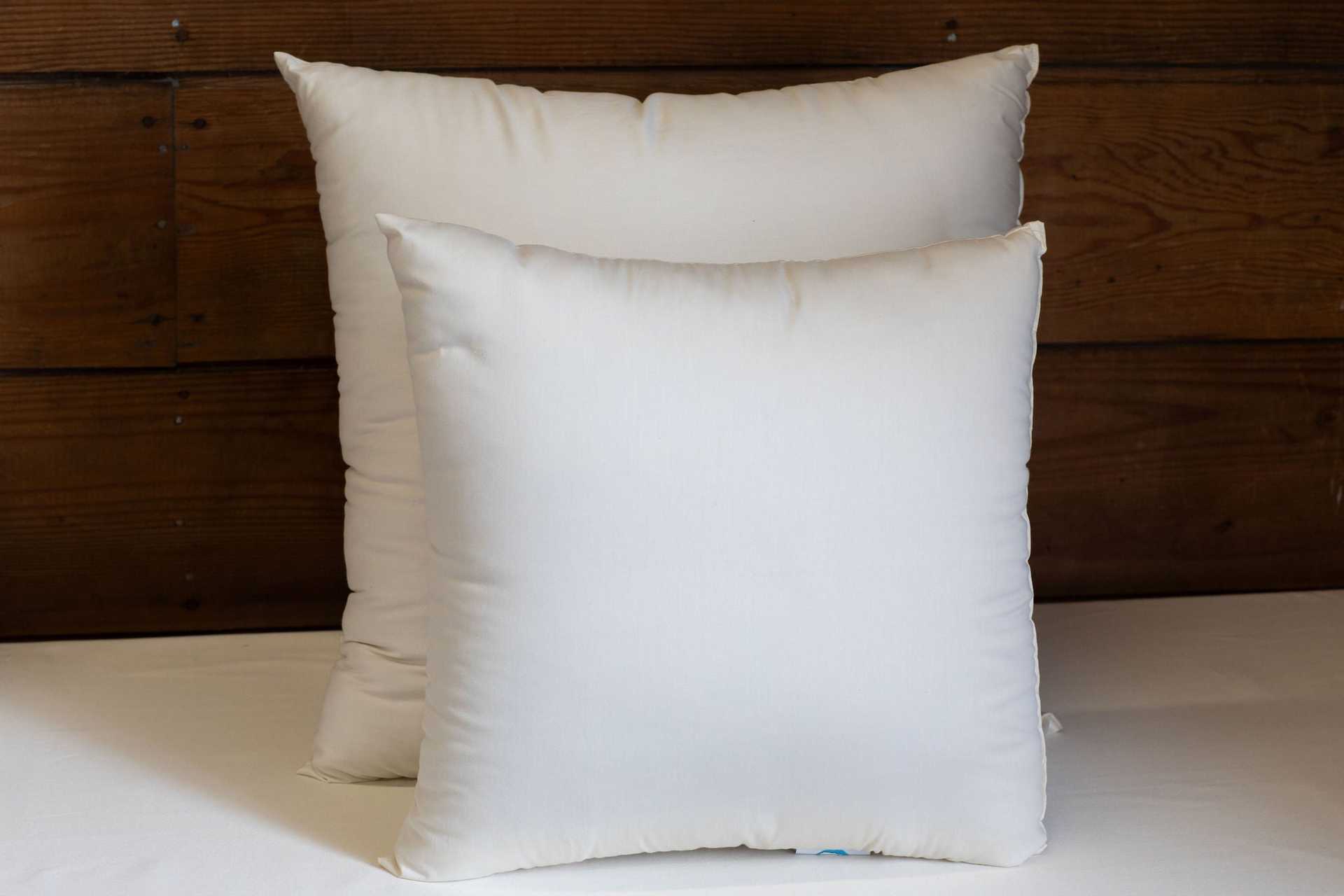
“Travel pillow” describes a family of objects rather than a single design. A small neck pillow is meant to steady the head while you sit upright. A compact rectangular cushion may offer broader support behind the lower back, beneath an elbow, or against a window. A familiar sleeping pillow, carried from home or packed for an overnight stay, has a different purpose again: it is meant to reproduce more of the support and feel you already know.
Before choosing one, picture the actual places it will be used. On a plane or train, you may have limited room to turn your head and little control over the angle of your seat. In a car, a pillow can be useful during a passenger’s rest stop, but it should never interfere with a driver’s visibility or movement. At a hotel, the issue may be less about portability than the unfamiliar height or firmness of the pillows provided. One compact item cannot be ideal for every setting, so begin with the journey that matters most.
Think, too, about how long you will carry it while not using it. A pillow that feels agreeable for a few minutes can become tiresome if it hangs from a backpack for an entire day. Some designs are intended to fold or compress; others are simply small enough to stow. The distinction matters. Compression can save space, but a pillow that must be unpacked, inflated, fastened, or reshaped may be less convenient when you are tired and trying to leave a crowded carriage.
Support is a question of shape
Travel pillows often announce their virtues in terms of filling, but shape is what determines where that filling goes. A U-shaped neck pillow surrounds part of the neck and can help limit sideways head movement in an upright seat. A rectangular form may suit someone who wants to brace against a wall or window, or who prefers using a pillow behind the back. A contoured design may offer a more defined resting position, though it can be less adaptable when the seat, posture, or person changes.
Support is not the same as firmness. A very firm pillow may resist compression yet press uncomfortably against the jaw or shoulder. A soft one may feel pleasant at first and then collapse before it holds the head in a useful position. The aim is a balance: enough structure to keep the pillow from disappearing under pressure, with enough give to avoid creating a new pressure point.
For upright rest, notice what happens when your head relaxes. Does it tip forward, fall sideways, or remain supported without effort? A pillow that only cushions the back of the neck may not address a tendency for the head to lean to one side. If you sleep on your side at home, you may also be accustomed to a certain distance between your head and shoulder. A travel pillow cannot reproduce your usual mattress, but it can be chosen with that preference in mind.
There is no universal sleeping position on a plane or train, and the body seldom complies with the position pictured in a product description. If possible, test a travel pillow while seated in a chair similar to the one you expect to use. See whether it stays in place when you shift. Consider whether its fastening system feels secure without being awkward to adjust. The useful question is not whether it looks supportive on a shelf, but whether it keeps working when you are no longer sitting perfectly still.
Filling: loft, feel, and what happens after compression
Filling shapes a pillow’s weight, resilience, and packability. Memory foam tends to contour under pressure and return to shape gradually, though dense foam can add weight and may not compress as easily as a traveler hopes. Shredded or blended fills may feel more adjustable, depending on their construction, but can shift inside the pillow. Wool offers a springy, temperature-regulating feel in some pillow designs; down is known for lightness and softness, while synthetic fills can be practical and familiar. These materials are not interchangeable, and a label alone cannot tell you exactly how a finished pillow will behave.
For travel, ask how the filling responds after being squeezed into a bag. Does it spring back? Does the manufacturer recommend compression, or is the pillow meant to retain its shape? A pillow that can be packed tightly but stays lumpy afterward has exchanged one inconvenience for another. Conversely, a shape-retaining pillow may be pleasant in use but occupy more space than you are willing to spare.
Also consider the climate and the setting. A plush, insulating surface that feels welcome in a chilly cabin may feel warm against the skin after several hours. Breathability depends on the cover and construction as well as the filling, so no single material guarantees a cool night or a comfortable flight. If you tend to overheat, look for a surface that feels comfortable to you and avoid assuming that “natural,” “cooling,” or “breathable” on a label is a substitute for specific construction and care information.
For a quick comparison, think in terms of trade-offs rather than a universal ranking:
- Memory foam: often offers contouring support, but density and shape can affect its weight and packability.
- Down or down blends: can feel light and soft, though loft and maintenance requirements vary by design.
- Wool: can provide resilient support and a distinct, springy feel; check whether the pillow itself is washable or spot-clean only.
- Synthetic fill: may offer an accessible, easy-care option, but its feel and ability to regain loft depend on the particular construction.
- Small, structured inserts: can hold a shape reliably, but a compact outline does not necessarily mean a featherweight pack.
Packability is more than size
A pillow’s listed dimensions describe its size in use, not the amount of luggage space it will claim. Its weight, thickness, flexibility, and method of attachment all affect the carrying experience. A pillow with a strap or clip may be easy to fasten outside a bag, but it also has to endure being bumped, brushed against, or caught on things. A compressible style may fit inside a suitcase yet require a separate pouch to keep it clean.
Try to measure packability in the context of your luggage. Will the pillow fit in the personal item you keep beneath the seat, or does it need to travel in the overhead bag? If you plan to carry it externally, is there a secure attachment point? Does the design compress without forcing you to remove the cover or expose the filling? These details are easy to overlook while shopping and immediately apparent in a crowded terminal.
There is a useful distinction between a pillow that packs small and one that is easy to pack. A vacuum bag or compression strap may reduce bulk, but it adds a step and something else to keep track of. A simple pillow that folds into itself may be less compact yet quicker to deploy. When the journey involves transfers, short layovers, or frequent changes of vehicle, ease of handling may matter more than the smallest possible packed volume.
The cover is part of the comfort
On a trip, the cover is not merely decorative. It is the surface that meets your face and neck, and the layer most likely to collect skin oils, hair products, dust, and the miscellaneous residue of a journey. A removable cover makes it easier to wash the part that needs regular attention without treating the entire pillow as laundry.
Look for a closure that stays secure and is comfortable against the skin. A zipper can be convenient, but its position and finish matter; a stiff seam or exposed hardware can become irritating when the pillow is pressed close to the face. An envelope closure avoids some hardware, though it should be deep enough to hold the pillow securely. Smooth fabrics may feel pleasant, while cotton or other familiar weaves can offer a more familiar hand. The right choice is personal, and the material’s care instructions are part of that choice.
Silk, cotton, and synthetic fabrics each have their own feel and washing needs. Silk is often valued for its smooth surface, but it generally calls for more careful laundering than a sturdy everyday cover. Cotton can be straightforward to wash, depending on its weave and finish. Some synthetic fabrics dry quickly, while others may feel warmer or less comfortable to a particular traveler. Rather than treating fiber names as promises, check the label for washing temperature, drying method, and whether the cover can be removed at all.
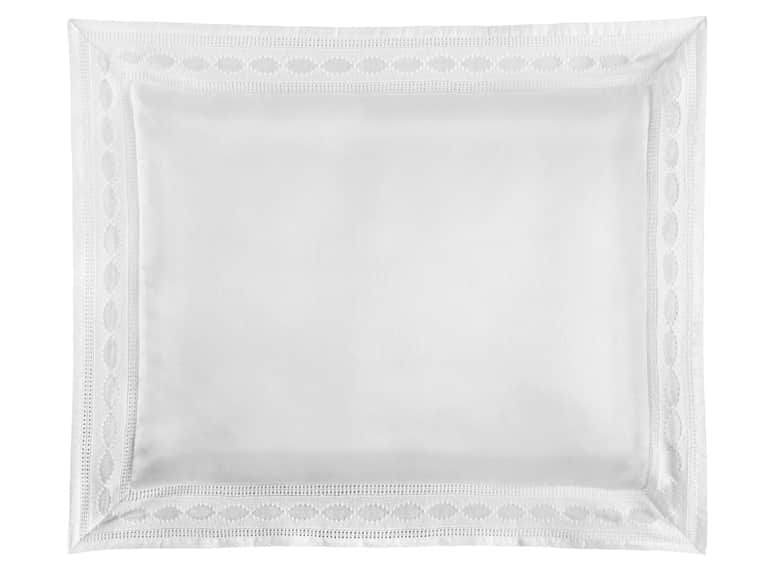
A spare pillowcase can be a modest but effective addition to a travel kit. It takes little space, creates a clean surface when a pillow cannot be washed between uses, and can cover a hotel pillow whose fabric or feel you dislike. It does not change the support of the pillow beneath it, but comfort often depends on such small adjustments. The clean surface is not a luxury of the grand sort. It is a practical reassurance.
Care on the road and at home
Travel exposes bedding to a different pattern of use than the one it receives at home. A pillow may be packed while slightly damp, pressed against clothing, left in a warm car, or used several nights in succession. Before departure, check the care label and decide whether the pillow can reasonably fit your routine. “Machine washable” is helpful only if you have access to a machine and the item can be dried thoroughly before it is needed again.
For a removable cover, follow its instructions rather than guessing from the fiber name. Use a gentle cycle when directed, avoid harsh cleaners unless the manufacturer permits them, and dry the cover completely before putting it back on. A pillow insert may require a different method from its cover. Some fillings should not be immersed or machine washed; others may be washable but need careful drying to prevent clumping or lingering moisture. When instructions are unclear, spot-cleaning a small area may be safer than washing the whole pillow.
Between uses, let the pillow air out before packing it away. If it has been compressed, give it time to regain its intended shape. A washable cover can be kept in a clean pouch when dry, while the pillow itself can be separated from shoes, toiletries, and used clothing. These habits are less exciting than choosing a filling, but they help preserve both freshness and the pillow’s usefulness. Travel comfort is partly a matter of preparation and partly a matter of not making future-you deal with a damp bundle in the bottom of a bag.
A simple test before you leave
Try the setup at home before the day of departure. Sit in a chair, place the pillow where you expect to use it, and rest for ten or fifteen minutes. Adjust the seat angle if that is part of your usual journey. Notice whether the pillow holds its position, whether the cover feels comfortable, and whether you can relax without continuously correcting your posture.
Then pack it. Put it where it will actually travel, not where it might fit under ideal circumstances. Take it out again and see how many steps are involved in getting it ready. If it needs a cover, strap, or storage pouch, make sure those pieces have a home. A travel pillow that works only when everything is arranged just so may prove less useful than a simpler design that can be reached and adjusted quickly.
A short checklist can make the decision clearer:
- Does the pillow suit the position in which you expect to rest?
- Does it support your head or neck without creating an uncomfortable pressure point?
- Can it fit in the bag you intend to carry, at a weight you are willing to manage?
- Does the filling recover after compression, if compression is part of your packing plan?
- Can the cover be removed and washed, and do you understand the care instructions?
- Can you use and store it without a complicated assembly routine?
The smallest comforts are not trivial
There is a temptation to regard a travel pillow as an indulgence: one more soft object to manage in an already crowded life. But comfort during transit is rarely only about softness. It is the relief of finding a stable place for your head, the clean feel of a familiar cover, or the ability to close your eyes without spending the next hour negotiating with a seat and a shoulder.
A better travel rest setup does not promise sleep on demand. It reduces some of the avoidable friction around trying to rest. Choose shape according to where you will use it, filling according to the support and care it offers, and a size that you will truly carry. Give the cover as much attention as the insert. Finally, test the whole arrangement before you leave home, when changes are easy and the floor is not moving beneath you.
The ideal pillow may not be the most elaborate or the most compressible. It may simply be the one that fits into your bag, feels right when you lean back, and can be washed without a small domestic crisis. In the strange, provisional bedrooms of travel—train seats, airplane cabins, borrowed rooms—that is a fairly impressive achievement.
In brief: Match the pillow’s shape to the way you plan to rest; weigh support against packability; check whether the cover is removable and washable; and test both comfort and packing at home. The best travel pillow is the one that remains useful after the journey begins.