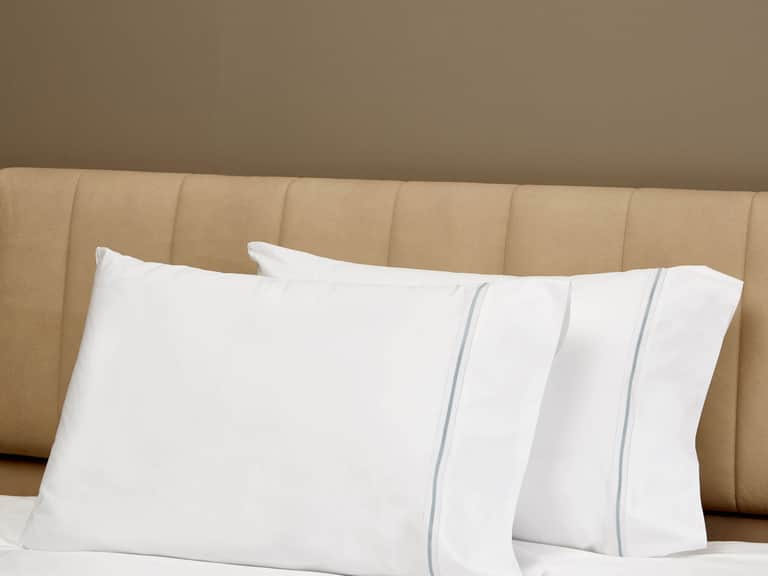
A Practical Guide to Choosing Pillow Fill: Down, Feather, Memory Foam, or Latex
Explore the most common pillow fills used in residential bedding, comparing comfort, support, temperature regulation, and care. This practical guide helps readers make an informed choice aligned with their sleep position and preferences.
Published September 30, 2026
Introduction: the texture of sleep
The pillow is not merely a cushion for the head; it is a calibrated instrument for comfort, a quiet partner in a ritual as old as night. When we lay our thoughts to rest, the pillow becomes a language of support and temperature, a choreography of loft and firmness that can either cradle the neck or betray it with a sigh. In this guide, we explore the most common fills—down, feather, memory foam, and latex—and how their physics translate into daily experience. We also pair each option with typical sleeping positions and care routines, so you can chart a path toward sleep that feels almost ceremonial in its precision.
We’ll also reference a few canonical voices from different periods who, in their ways, helped shape how we think about cushions, textiles, and the lived experience of rest.
The Fill Family: what distinguishes each option
Each pillow fill carries its own signature: loft, resilience, temperature behavior, and care requirements. Here is a concise map to orient your choice.
- Down and feather fills are natural, soft, and highly responsive. They compress gently under weight and spring back with little guidance, delivering a plush, cloud-like feel. Down typically provides more loft; feather adds a bit more structure. Both are prized for breathability but require regular fluffing and periodic cleansing to maintain hygiene.
- Memory foam pillows contour to the head and neck, offering targeted support that follows your shape and heat. They excel at alignment for back and side sleepers but can feel restrictive for some stomach sleepers or those who prefer a cooler head. They tend to be more durable and resist clumping, yet they may require a break-in period as they acclimate to your sleeping posture.
- Latex pillows bring buoyant support with inherent resilience and excellent breathability. They tend to hold shape without the dense contouring of memory foam, making them a versatile option for many sleepers. Natural latex can be cooler in hot climates and often lasts a long time with proper care.
Matching fills to sleeping position
The right fill is not only about comfort but also about alignment. Here is a practical mapping for average needs, acknowledging that individual preferences vary.
- Back sleepers: Medium loft with good neck support. Memory foam or latex can offer steadier support without over-encouraging cranial sinking; down/feather can work if the loft is adjustable.
- Side sleepers: A firmer, higher loft pillow to maintain spinal alignment at the shoulder. Memory foam or latex often excels; down/feather can work with a higher fill power.
- Stomach sleepers: Low to medium loft to prevent neck strain. A flatter memory foam or a soft, low-loft down/feather pillow can suit this position best.
Durability, care, and long-term use
Durability is both an environmental and practical concern. Natural fills (down/feather) deserve periodic professional cleaning or thorough home care to preserve loft, while synthetic fills like memory foam and latex emphasize a longer lifespan with proper air exposure and occasional rotation.
Care guidelines vary by fill. Down and feather pillows often benefit from regular fluffing and occasional airing. Memory foam requires gentle washing according to manufacturer instructions or dry cleaning, and latex pillows favor air exposure and avoidance of moisture buildup in the core. A simple rotation of pillow positions and occasional sun exposure can help all fills maintain shape and hygiene.
A quick-reference decision flow
This flowchart helps translate sleep position, temperature preferences, and care willingness into a concrete pick.
- Do you sleep on your back most nights? Consider memory foam or latex for stable neck support.
- Are you sensitive to heat and want a cooler feel? Latex or certain breathable memory foams and down alternatives can help.
- Prefer a plush, fluffy sensation? Down or feather with a higher fill power will deliver a generous loft.
- Need easy maintenance and durability? Synthetic fills like memory foam or latex offer robust performance with less seasonal care.
Care and longevity tips by fill type
The practical details matter as much as the philosophy. Here are actionable tips to extend the life and hygiene of your pillow fill.
- Down/Feather: Regular fluffing, air-out in the sun (briefly, avoiding direct prolonged exposure), and periodic covers changes. Follow manufacturer wash instructions; many down pillows are machine washable with gentle cycles and low heat drying.
- Memory Foam: Spot cleaning for stains; full washing only when indicated by the label. Allow full air-dry to prevent off-gassing. Rotate and flip to maintain even wear.
- Latex: Airing and occasional spot cleaning; avoid harsh solvents. Keep away from direct heat to protect the natural resilience.
A New Yorker’s touch: voices from different eras
The pillow, in our cultural imagination, has been touched by minds across centuries. Three figures—each a different century’s voice—offer a corner of illumination on the humble pillow and the discipline of rest.
- Hypatia of Alexandria (c. 355–415 CE): A scholar and philosopher who, though not about cushions per se, would have revered the pillow as an instrument of contemplation and repose. Her insistence on seeking knowledge through disciplined inquiry mirrors the modern insistence on understanding fill types through empirical comparison. Thoughtful note: Hypatia’s commitment to reason invites readers to weigh the evidence of loft, breathability, and care with the same rigor she applied to geometry and astronomy.
- Jane Austen (1775–1817): In a world of drawing rooms and intimate salons, Austen’s attention to everyday comfort—well-chosen textiles, the tactile pleasure of linen, the cadence of companionship—offers a cultural reminder that the pillow is part of a larger design of home life. Her sensibility echoes in the insistence on a calm, well-made bed as a stage for daily rituals. Thoughtful note: The Austenian eye for proportion and texture aligns with today’s emphasis on texture, weave, and the quiet luxury of well-chosen pillow covers.
- Virginia Woolf (1882–1941): A modernist voice whose meditations on inner life and outer form remind us that the space around us—our pillow’s support, the fabric’s feel, the light in the room—shapes how we think and dream. Woolf’s discursiveness mirrors the editorial, thoughtful approach this article takes toward fill, form, and care. Thoughtful note: Woolf’s literary attention to interior worlds resonates with a design philosophy that prioritizes restful, contemplative spaces.
Product spotlight: The Belgian Pillow Pillow Cover Dakota Brown 20x20
To ground these ideas in a real-world option, consider a beautifully crafted pillow cover that complements a range of fills. The Belgian Pillow Pillow Cover in Dakota Brown offers artisanal linen texture with a washed finish, designed to coordinate with a broad interior palette.
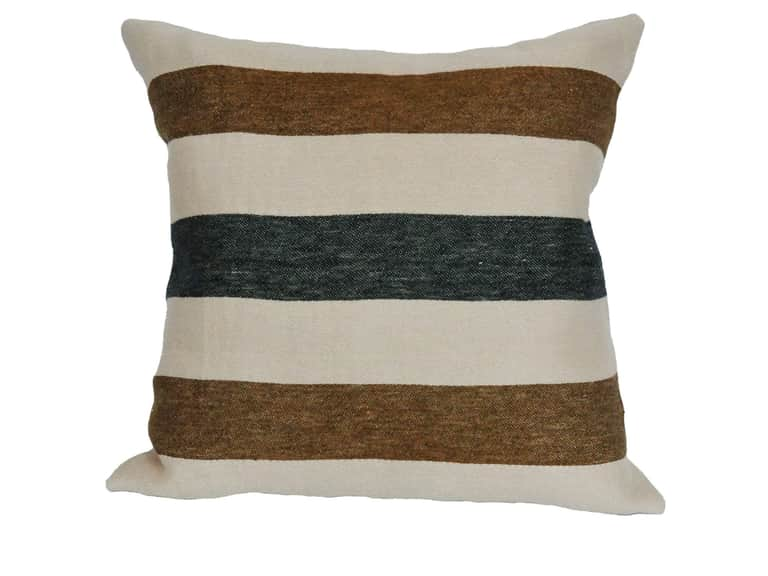
The Belgian Pillow Pillow Cover Dakota Brown 20x20
Libeco | 100% linen, washed finish, Dakota Brown; artisanal craftsmanship; sold separately from inserts.
Price: $160.00
Care: Cold wash; line dry or lay flat; iron on low heat if needed.
The cover embodies the editorial calm of The Pillow Gallery—textural presence, quiet luxury, and a nod to artisanal technique. It pairs with a variety of pillow inserts and textile palettes, from warm terracotta to cool slate, bringing a tactile anchor to a room’s palette.
Glossary of terms for pillow lovers
A concise glossary helps readers navigate fabric names, fill varieties, and construction details that influence how a pillow feels and behaves.
- Fill power: A measure of the loft a down pillow can achieve; higher fill power equals fluffier loft and often better insulation.
- Perimeter construction: Techniques like sewn-through quilting, channel quilting, or knife-edge finishes that affect shape retention and aesthetics.
- Hygiene considerations: Washing instructions, cover removal, and the role of pillow protectors in extending life and reducing allergen exposure.
- Breathability: The way fabric and fill interact with air flow; crucial for temperature regulation during sleep.
Conclusion: a mindful approach to sleep comfort
The pillow is a small theater of rest in a crowded room of sensations. By understanding the distinct signatures of down, feather, memory foam, and latex, you can curate a sleep environment that feels tailored to you—spacious, breathable, supportive, and easy to care for. The right fill aligns with your sleep position, climate, and temperament, transforming the nightly ritual into something more akin to a well-composed sentence: concise, purposeful, and deeply restorative.
If you’d like, we can outline a 12-piece cornerstone article plan for Direction A—Educational Interior Design & Textile Resource—and a 90-day content calendar to establish a trusted pillow-resource hub that blends editorial voice with practical guidance.